
Introduction
As the online world becomes more competitive, businesses and creators are constantly looking for ways to organise their content, strengthen their brand, and improve the user experience. One of the simplest yet most powerful tools for achieving all of this is the subdomain. While often overlooked, subdomains play a crucial role in how websites are structured, discovered, and perceived.
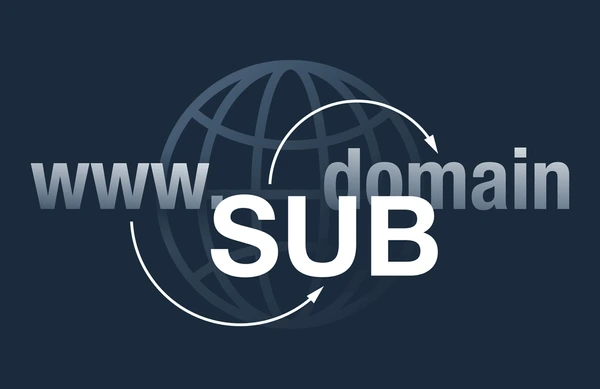
A subdomain is the part of a URL that appears before the main domain—like shop.r.nz. It acts as a separate section of your website, giving you the freedom to organise content, build new experiences, and scale your online presence without cluttering your main site. Here’s why subdomains matter more than most people realise.


1. Better Organisation and Structure
Subdomains allow you to divide your website into clear, logical sections. Instead of forcing everything into one place, you can create dedicated areas for different purposes:
- blog.r.nz for articles
- store.r.nz for e‑commerce
- support.r.nz for help resources
This structure keeps your main site clean and focused while giving each section room to grow. It’s especially useful for businesses with multiple services, large content libraries, or fast‑moving projects.
2. Stronger Branding and Professionalism
A well‑designed subdomain instantly makes your brand look more organised and intentional. It shows visitors that you’ve put thought into how your content is presented. For example, a company running events might use events.r.nz, while a creator offering courses might use learn.r.nz.
Subdomains also help you create memorable, purpose‑built URLs that reinforce your brand identity. When used with a short domain like r.nz, they become even more powerful—clean, simple, and easy to share.
3. Improved SEO Opportunities
Search engines treat subdomains as separate entities, which can be a major advantage. If you have content that targets different audiences or keywords, placing it on a subdomain allows it to rank independently.
This helps you:
- Build topic‑specific authority
- Avoid diluting your main site’s SEO
- Experiment with new content strategies
- Keep technical SEO cleaner and easier to manage
For example, a blog on blog.r.nz can grow its own search presence without interfering with your homepage or product pages.
4. Flexibility for Growth and Innovation
Subdomains give you the freedom to test new ideas without disrupting your main website. Want to launch a beta product, run a campaign, or build a microsite? A subdomain is the perfect sandbox.
You can even run different platforms or technologies on each subdomain. This flexibility makes subdomains ideal for startups, agencies, and creators who need to move quickly and adapt.
5. Enhanced Security and Isolation
Because subdomains operate independently, they add a layer of protection. If one subdomain experiences technical issues or security problems, it doesn’t necessarily affect the rest of your site. This isolation is especially valuable for apps, customer portals, or experimental projects.
Final Thoughts
Subdomains are far more than just extra URLs—they’re strategic tools that help you organise content, strengthen your brand, improve SEO, and scale your online presence with confidence. Whether you’re building a personal project or managing a growing business, subdomains give you the structure and flexibility you need to succeed online.